
Launching an AIF requires the right structure, documentation, registrations, filings, and operational setup before the fund begins accepting commitments or making erialised unit issuance

Christian B.
Date
-
2
min to read


Fund of Funds teams need more than a fund-level allocation view. This blog explains how look-through visibility helps teams track underlying funds, indirect holdings, exposure, NAV changes and performance across every layer of a complex FoF portfolio.
This Taghash release helps fund teams reduce repeat work across dealflow and portfolio workflows. The update brings improved deal merging, reusable MIS templates and portfolio performance comparison to keep records cleaner, reporting setup faster and reviews more structured.
VC decisions depend on context across the whole fund. But when key fund data is scattered, teams lose the thread. This blog explains how centralized fund data helps VC teams keep continuity, see the full picture, and make informed decisions across the fund lifecycle.
Dealflow timing can change before your pipeline catches up. Taghash Signals brings funding rounds, company news and market updates into your dealflow workspace. Teams can revisit deals, spot new opportunities and prioritize follow-ups with clearer context
Early-stage portfolio management gets harder when updates, MIS, ownership, valuations, documents and reporting inputs are scattered across emails, spreadsheets and shared drives. This blog covers how VC teams can improve visibility, spot risks earlier and run cleaner portfolio reviews.
AI can help VC teams only when it works with the right fund context and stays under control. This blog explains how Taghash MCP connects AI to fund workflows while keeping access permissioned, governed and easier to review across deal flow, portfolio, LP, fund and reporting work.

Quarterly investor reporting slows down when portfolio data, fund records, accounting inputs and commentary are managed across disconnected workflows. This blog explains how connected reporting readiness helps VC fund teams reduce manual compilation and prepare LP summaries faster.

This Taghash product update is focused on improving operating continuity across fund workflows. The release introduces improvements designed to reduce manual effort and help fund teams manage day-to-day execution with more structure, visibility and control.

Pitch Deck Parser is built for the practical reality of dealflow, where teams review more opportunities than they can thoroughly diligence. This blog explains how structured extraction from pitch decks can help venture funds speed up first reviews and preserve context across the dealflow process.
Dealflow timing can change before your pipeline catches up. Taghash Signals brings funding rounds, company news and market updates into your dealflow workspace. Teams can revisit deals, spot new opportunities and prioritize follow-ups with clearer context

Fund performance in VC and PE cannot be understood through a single metric. This blog explains how fund teams should assess performance through IRR, TVPI, DPI, RVPI, MOIC and benchmark context to build a more accurate view of value creation, realized returns and remaining portfolio exposure.
Pitch Deck Parser is built for the practical reality of dealflow, where teams review more opportunities than they can thoroughly diligence. This blog explains how structured extraction from pitch decks can help venture funds speed up first reviews and preserve context across the dealflow process.
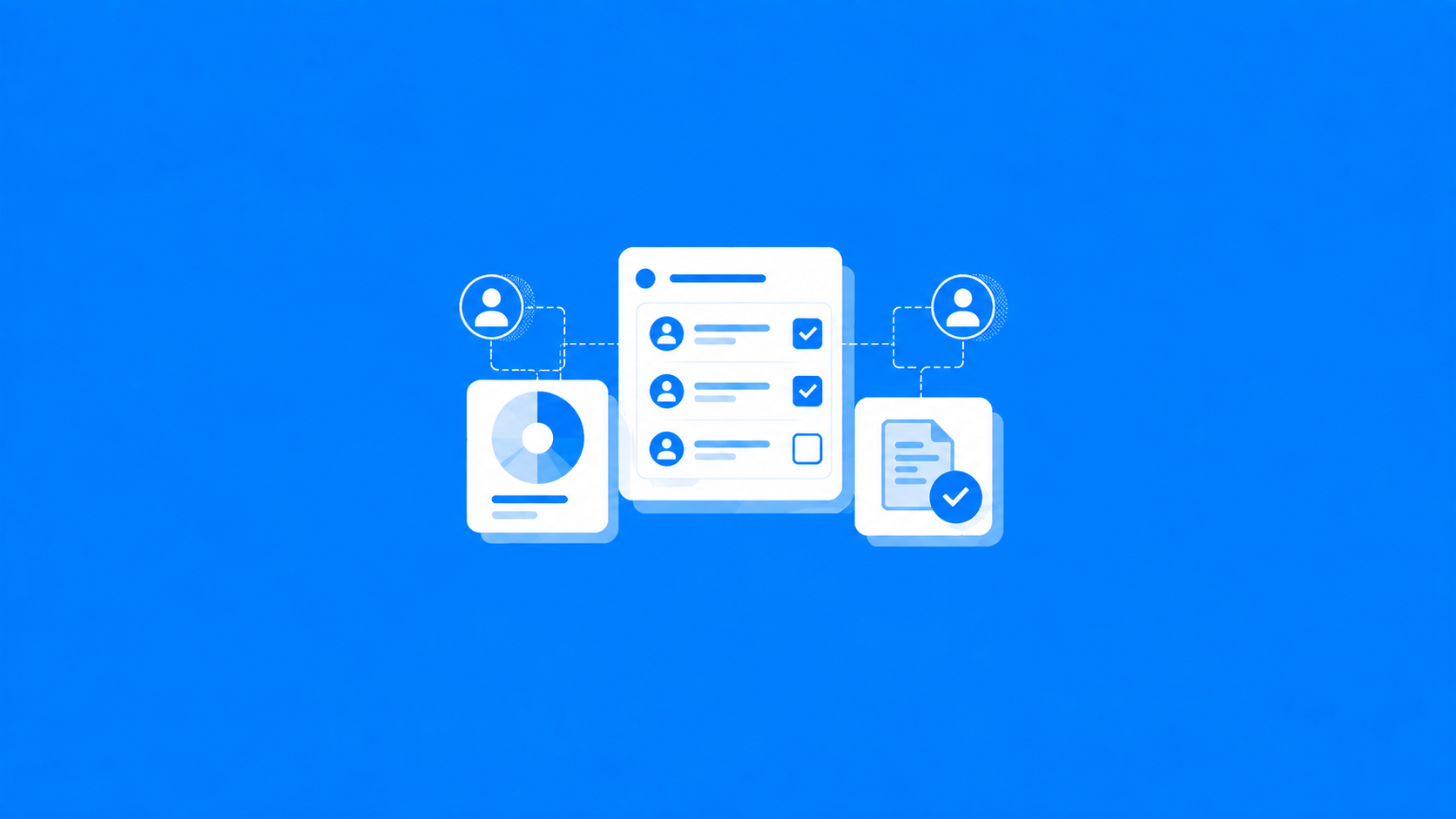
LP consent involves more than collecting votes. This blog explains how AIF teams can manage investor selection, voting rules, weighted approvals, reminders and audit-ready records through a structured LP consent workflow.
Taghash’s latest product update helps teams organize documents, manage LP workflows and track platform activity. It also includes a practical guidance on fund formation in India.
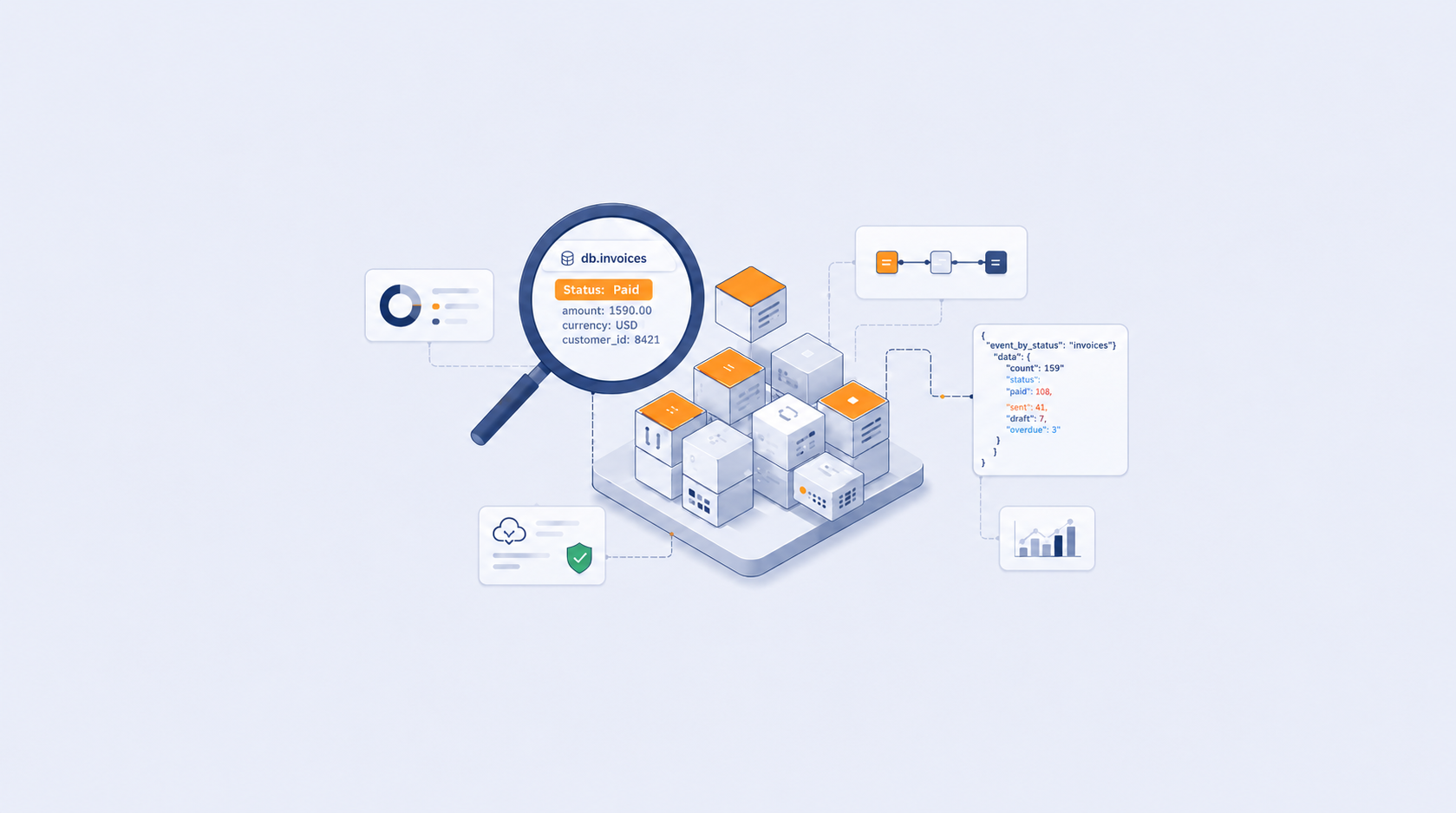
Private capital teams often spend time rebuilding company context before they can properly assess an opportunity. Taghash Data Enrichment helps keep deal records cleaner, more structured and easier to assess.

See how the Taghash WhatsApp Agent helps VC, PE and fund teams reduce workflow friction. Access permissioned deal, portfolio and fund context directly through everyday WhatsApp conversations now.

This Taghash release focuses on making fund workflows easier to act on, track and update, with improvements across communication, usage visibility and deal capture.
This Taghash release helps fund teams reduce repeat work across dealflow and portfolio workflows. The update brings improved deal merging, reusable MIS templates and portfolio performance comparison to keep records cleaner, reporting setup faster and reviews more structured.
VC decisions depend on context across the whole fund. But when key fund data is scattered, teams lose the thread. This blog explains how centralized fund data helps VC teams keep continuity, see the full picture, and make informed decisions across the fund lifecycle.

Scaling a fund increases pressure on workflows, coordination and platform reliability. This latest Taghash release is designed to reduce manual effort, improve workflow flexibility and support faster, more dependable day-to-day execution.
This Taghash product update is focused on improving operating continuity across fund workflows. The release introduces improvements designed to reduce manual effort and help fund teams manage day-to-day execution with more structure, visibility and control.
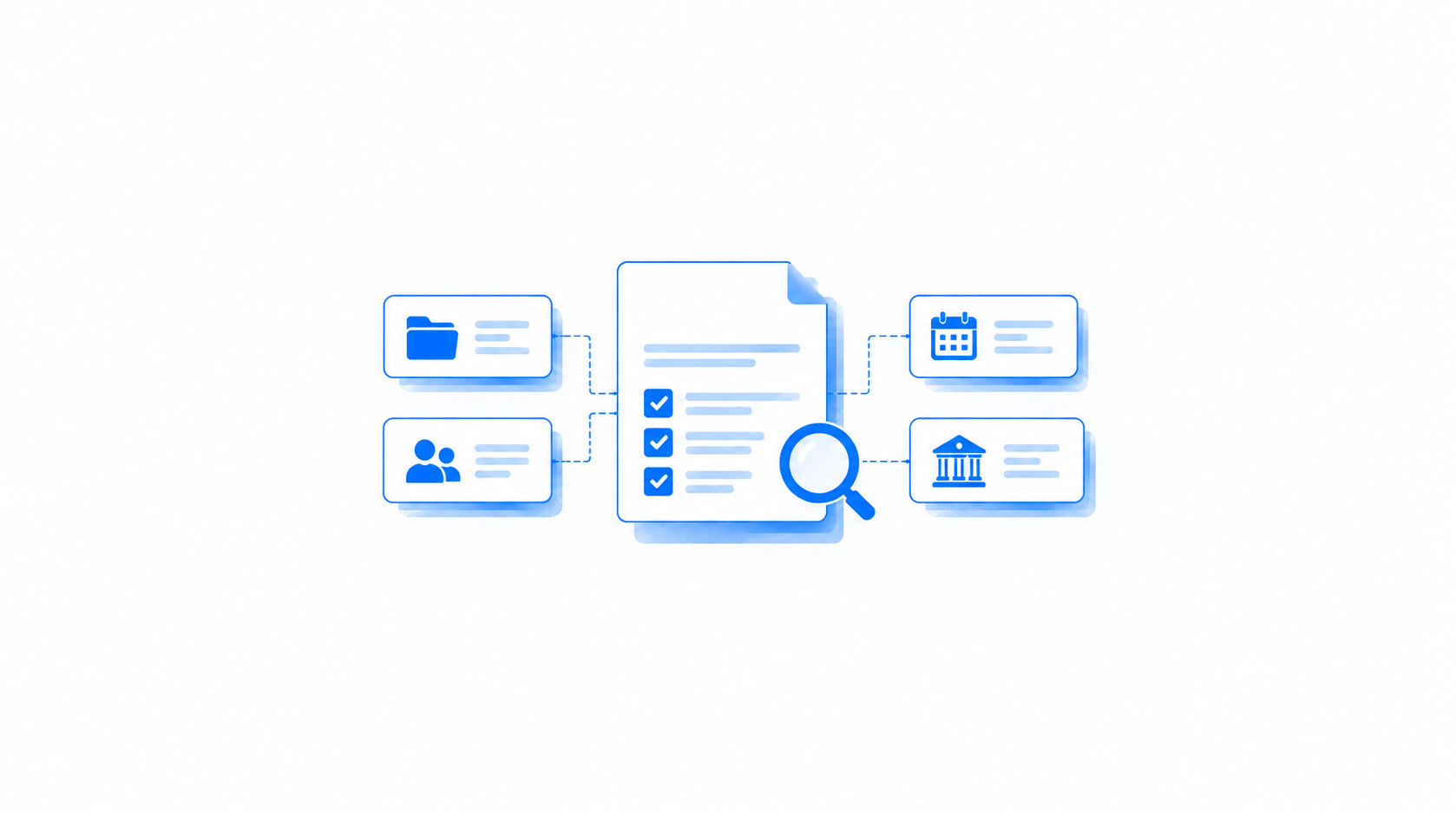
For AIFs subject to the annual PPM compliance audit, 30 September 2026 is the reporting deadline for FY 2025-26. This guide covers audit applicability, exemptions and the key considerations for fund teams preparing for the deadline.
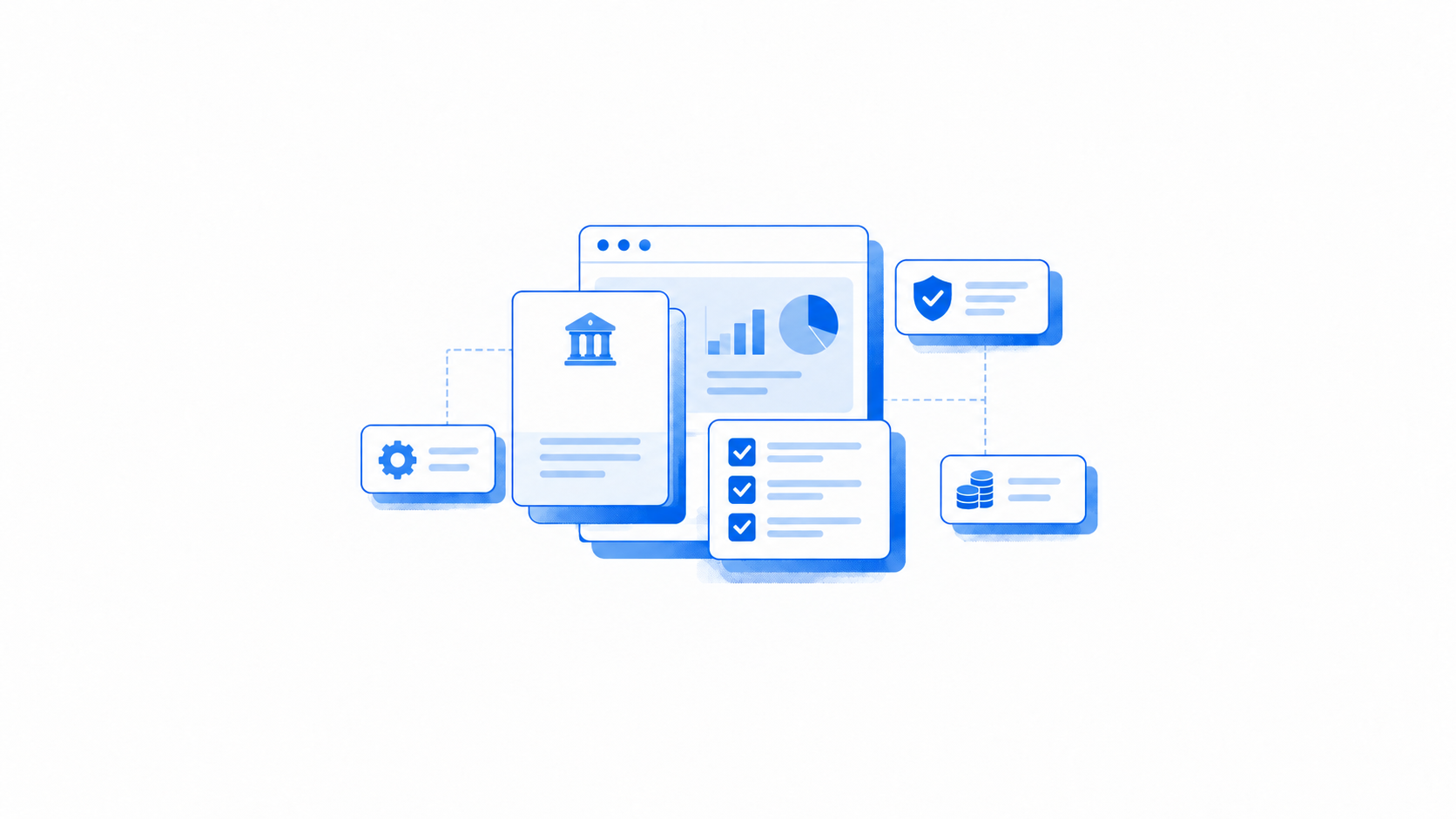
IFSCA has introduced the Fund Management (Second Amendment) Regulations, 2026, bringing changes across Venture Capital, Restricted and Retail schemes. This blog covers the key updates to pre-close deployment, NAV and portfolio reporting, FME contributions, distribution rights, scheme documentation and governance.
AIF classification is not always as straightforward as fund labels suggest. This blog explains how Category I, II and III AIFs differ from Angel Funds, AI-only Funds, LVFs and CIVs, and why correct classification matters for fund structure, investor eligibility and compliance.

CSCRF compliance comes down to five execution moves that AIF teams cannot skip. This blog covers governance, access controls, third-party risk, VAPT timelines and incident readiness, plus how to document and report it.